Proudly serving Phoenix, Mesa, Glendale, Scottsdale, Tempe, Chandler & surrounding areasCall or Text 24/7: 602-449-8153
Guides

Does Medicare pay for routine dialysis transportation?

Phoenix Non Emergency Medical Transport regularly hears from Phoenix families managing dialysis three times a week who need to know whether transportation is covered. Original Medicare generally covers a dialysis trip only when a medically necessary ambulance is required, not a routine sedan or wheelchair-van ride. Medicare Advantage, AHCCCS, private pay, and community programs may fill the gap, but eligibility, trip limits, and authorization rules vary.

Quick Summary

  • Original Medicare Part B generally covers ambulance transport to dialysis only when another form of transportation would endanger the patient's health.
  • Routine sedan and wheelchair-van rides usually are not covered by Original Medicare, even when dialysis appointments recur throughout the week.
  • Medicare Advantage may add a limited non-emergency transportation benefit; AHCCCS may cover eligible members with prior authorization.
  • When Part B covers an ambulance, Medicare typically pays 80% of the Medicare-approved amount after the deductible, leaving 20% coinsurance.

How Dialysis Transportation Coverage Works

Original Medicare's Rule

Part B coverage is narrow: a dialysis ambulance may qualify when a car, wheelchair van, or other alternative would put the patient's health at risk. Routine transportation because a stable patient no longer drives generally does not qualify.

Other Coverage Paths

A Medicare Advantage plan may include non-emergency medical transportation, while AHCCCS can cover authorized rides for eligible enrolled members who have no other transportation. Benefits, trip limits, and booking channels differ.

Verify Before Booking

Check the plan's evidence of coverage, obtain any required authorization, and keep physician orders, dialysis schedules, and prior transport receipts. Those records support recurring bookings and any appeal of a denied claim.

Dialysis Transportation Scenarios to Compare

Routine Dialysis Ride or Medical Ambulance?

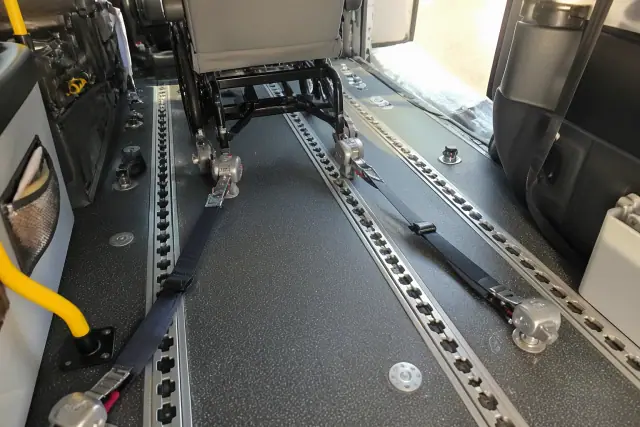
Four-point tie-down strap locking mechanism inside a medical transport vehicle in Phoenix, AZ.

A side-by-side view makes Medicare's medical-necessity distinction visible: routine mobility assistance differs from ambulance-level care needed when another ride would be unsafe.

Ambulatory and Wheelchair Ride Setup

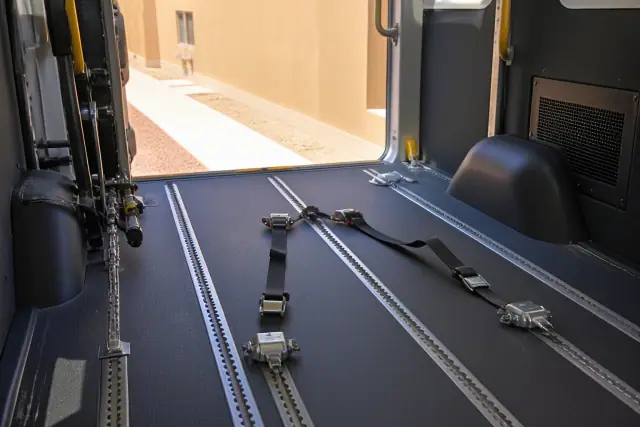
Heavy-duty four-point tie-down straps secured in a wheelchair station at a job site in Phoenix, AZ.

Comparing vehicle access and assistance helps families match the ride to the patient's mobility level instead of treating every dialysis trip the same.

Dialysis Trip Documents and Schedule

Dialysis trip documents and schedule on a transport vehicle dashboard in Phoenix, AZ.

A physician order, dialysis schedule, benefit details, and authorization notice are the records to confirm before recurring trips.

Coverage Snapshot

Original Medicare Part B

Coverage generally requires medically necessary ambulance transport because another method would endanger the patient's health; ordinary scheduled rides are outside that rule.

Medicare Advantage

A Part C plan may provide a supplemental transportation benefit with a set number of one-way trips per year. The evidence of coverage explains limits and authorization steps.

Arizona Medicaid (AHCCCS)

Eligible enrolled members who lack another way to treatment may receive non-emergency dialysis transportation. Prior authorization and an approved broker or provider are usually required.

Private Pay and Community Help

Phoenix ambulatory transport generally starts at a $35-$65 base plus $2-$4 per mile; wheelchair transport starts around a $65-$115 base plus $3-$4 per mile. County, clinic, volunteer, nonprofit, and faith-based programs may offer free or reduced-cost rides when funding and eligibility allow.

Dialysis Transportation Coverage Chart

Coverage PathWhat May Be CoveredWhat to Confirm
Original Medicare Part BAmbulance transport when another ride would endanger the patient's health; routine sedan and wheelchair-van rides are generally excluded.Medical-necessity documentation from the treating clinician.
Medicare AdvantageA supplemental non-emergency transportation benefit may include a set number of one-way trips.Evidence of coverage, trip limits, service area, and pre-authorization rules.
AHCCCSNon-emergency dialysis transportation for eligible enrolled members who lack another ride.Prior authorization and booking through an approved broker or provider.
Private Pay or Community HelpAmbulatory, wheelchair, stretcher, or bariatric rides, plus some county, clinic, volunteer, or nonprofit options.Mobility needs, scheduling, rates, eligibility, and current availability.

Does Medicare Cover Routine Dialysis Rides?

Original Medicare Parts A and B do not provide a routine ride benefit for most stable dialysis patients. Part B may cover ambulance transportation when documentation shows other transport would endanger health, such as when a patient is bedridden, needs oxygen monitoring in transit, or has an unstable cardiac condition. If those medical-necessity criteria are not met, look to plan benefits, AHCCCS eligibility, private pay, or local assistance rather than assuming Medicare will reimburse the trip.

What Changes Dialysis Transportation Coverage?

The answer changes with plan type, medical necessity, mobility level, authorization, distance, and vehicle requirements. A stable ambulatory rider and a patient needing wheelchair, stretcher, or bariatric transportation can face different availability and private-pay rates. Longer trips for specialized nephrology care or temporary travel also require advance coordination around a certified dialysis facility and the treatment calendar.

Common Follow-Up Questions

Age alone does not make a routine dialysis ride payable; seniors still must meet Original Medicare's ambulance medical-necessity rule. When covered, Part B typically pays 80% of the approved amount after the annual deductible and leaves 20% coinsurance, while Medicare Advantage and AHCCCS follow their own benefit and authorization terms. Four common Original Medicare gaps are routine non-emergency transportation, most dental care, routine vision exams and eyeglasses, and long-term custodial care in a nursing facility. For free or reduced-cost Phoenix rides, ask the dialysis center's social worker about current county, volunteer, nonprofit, or faith-based programs because eligibility and funding vary.
Plan a Dialysis Ride

Need Help Planning Dialysis Transportation?

Share the patient's dialysis schedule, pickup area, mobility needs, and any Medicare Advantage or AHCCCS authorization details. The transportation team can help match an ambulatory, wheelchair, stretcher, or bariatric ride to the recurring appointment calendar.