Proudly serving Phoenix, Mesa, Glendale, Scottsdale, Tempe, Chandler & surrounding areasCall or Text 24/7: 602-449-8153
Aerial view of Phoenix, AZ, showing desert foothills, saguaro cacti, and residential neighborhoods at sunset.

Medical Transport in Scottsdale, AZ: Climate-Controlled Accessible Vans & Patient Support

Phoenix Non Emergency Medical Transport provides wheelchair, stretcher, and ambulatory transportation across Scottsdale, Arizona. Our climate-controlled, wheelchair-accessible vehicles also support bariatric rides, dialysis schedules, medical appointments, hospital discharges, seniors, door-to-door assistance, and long-distance medical transportation. We coordinate rides for patients, family caregivers, case managers, and facility discharge planners throughout Scottsdale and Maricopa County.

Scottsdale summer temperatures can push past 110 degrees for weeks, making long curbside waits a health risk for wheelchair users and patients with chronic conditions. Climate-controlled vehicles help protect clients while drivers provide unhurried boarding and transfer assistance. Drivers hold current CPR and first aid certification and complete defensive-driving training for accessible vehicle operation. Before assigning a ride, dispatch confirms the mobility device, pickup access, appointment time, and requested assistance.

Scottsdale grew from 217,385 residents in 2010 to 241,361 in the 2020 census, increasing the need for dependable transportation among retirement and assisted-living communities. Routes operate every day of the week across Old Town, North Scottsdale, South Scottsdale, and surrounding communities.

★ ★ ★ ★ ★4.9/5 Average Rating - 20+ Years of Experience - Thousands of Customers Helped - Licensed & Insured - Patients, Families & Care Teams
Transportation Services

Medical Transportation Services in Scottsdale, AZ

Choose transportation based on the rider's mobility, seating needs, pickup access, destination, and schedule. Routes cover Old Town, DC Ranch, Grayhawk, and the Loop 101 and Scottsdale Road corridor, with Tempe, AZ among the regularly served communities beyond Scottsdale.

Wheelchair Transportation

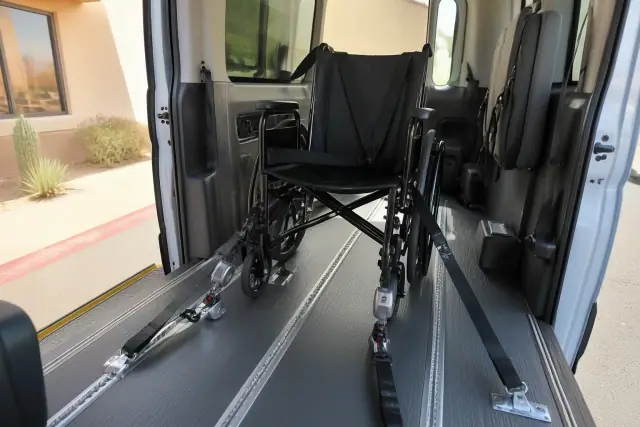
Empty wheelchair secured with four-point tie-down straps in a medical transport van in Scottsdale, AZ.

Ramp- and lift-equipped vans accommodate manual chairs, power chairs, scooters, and standard or oversized mobility devices. Four-point tie-down restraint systems meet SAE J2249 wheelchair tie-down and occupant-restraint standards, and drivers check securement before departure. Explore Service

Explore Service

Stretcher Transportation

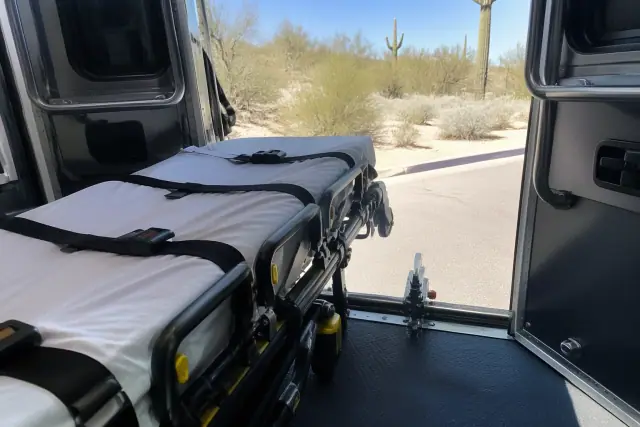
Stretcher secured at the rear doors of a medical transport vehicle in Scottsdale, AZ, with desert saguaros in the back.

Gurney-equipped vehicles serve patients who cannot sit upright. Trained attendants secure the stretcher, monitor the patient, and manage transfers for inter-facility trips, skilled-nursing or rehabilitation travel, and discharge transportation home. Explore Service

Explore Service

Ambulatory Transportation

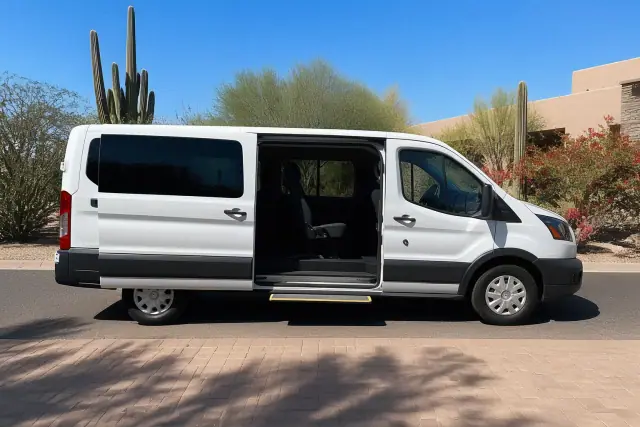
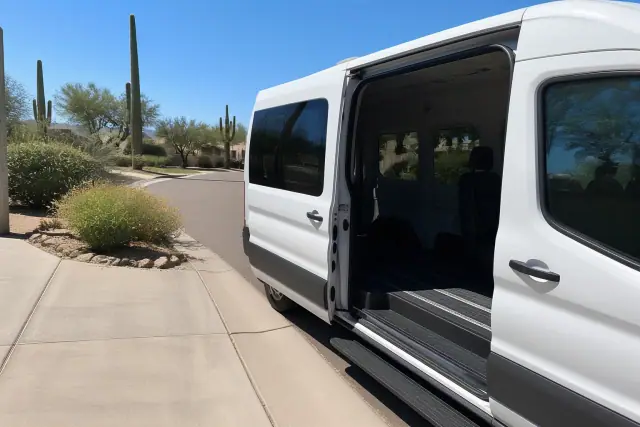
Medical transport van with open side doors parked curbside for boarding in Scottsdale, AZ.

Ambulatory rides support clients who can walk with minimal assistance but should not drive after sedation, with vision limitations, or following a procedure. Drivers assist between the door and vehicle, watch for balance concerns, and move at the client's pace. Explore Service

Explore Service

Bariatric Transportation

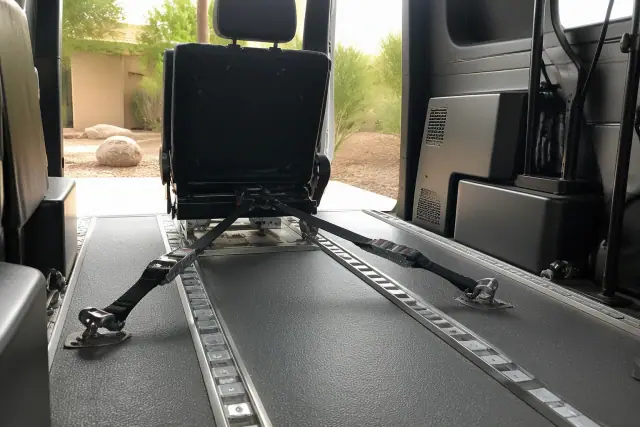
Bariatric medical transport vehicle interior with secured tie-down straps in Scottsdale, AZ.

Bariatric transportation uses reinforced ramps, wider securement points, and higher-capacity lift systems. Trips are planned in advance so an appropriately rated vehicle and enough staff arrive for a dignified, safer transfer.

Dialysis Transportation

Medical transport vehicle with open side doors parked on a street in Scottsdale, AZ.

Dialysis transportation can be arranged around treatment schedules that often repeat three times a week. Standing routes help clients reach Scottsdale-area dialysis centers on time without rebooking each trip.

Medical Appointment Transportation

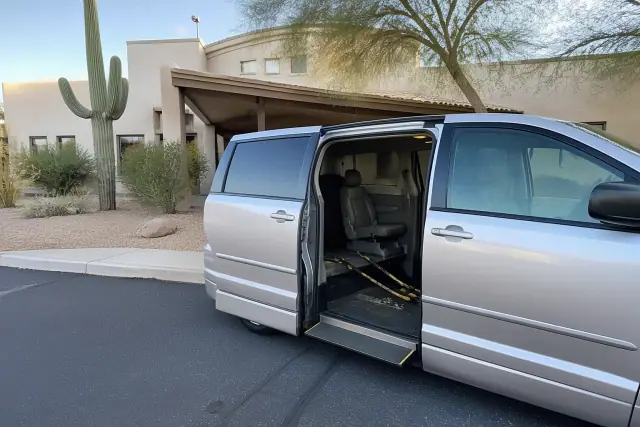
Accessible transport van with open side door and wheelchair straps at an outpatient clinic in Scottsdale, AZ.

Appointment-based rides include buffer time for check-in, paperwork, and unexpected delays. Dispatch tracks appointment timing so a return pickup can be adjusted when a specialist or primary-care visit runs long.

Hospital Discharge Transportation

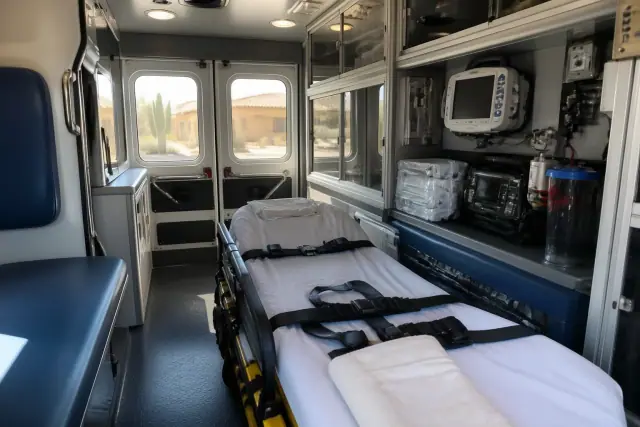
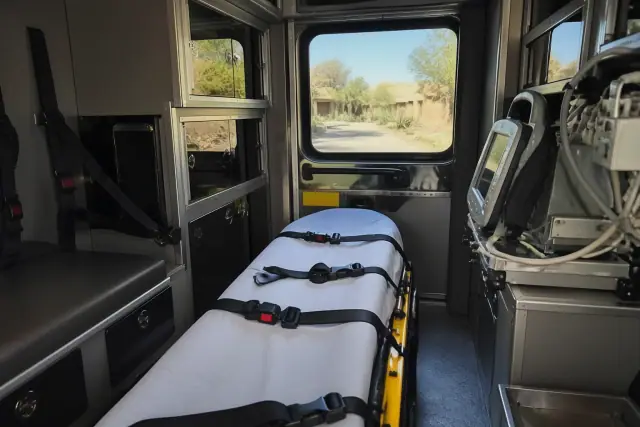
Ambulance patient compartment with secured medical equipment and safety restraints in Scottsdale, AZ.

Hospital discharge transportation is coordinated with case managers and discharge planners. A wheelchair- or stretcher-equipped vehicle can be matched to the patient's needs and timed around final paperwork clearance.

Senior Medical Transportation

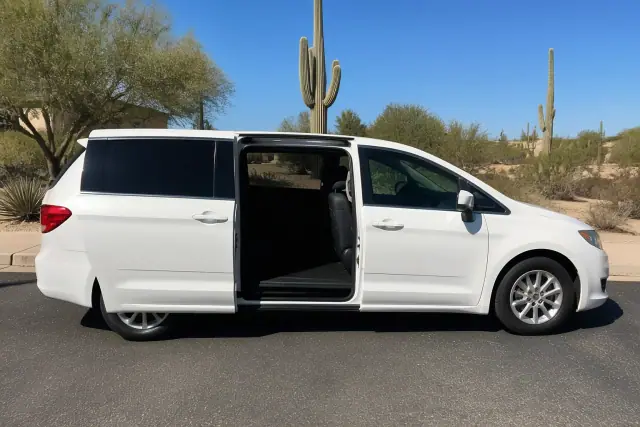
A medical transport van parked curbside with open doors in a sunny Scottsdale, AZ desert landscape.

Senior transportation is planned around mobility limitations, cognitive considerations, and the unhurried pace an older adult may need. The service supports medical visits throughout North and South Scottsdale's retirement communities.

Door-to-Door Medical Transportation

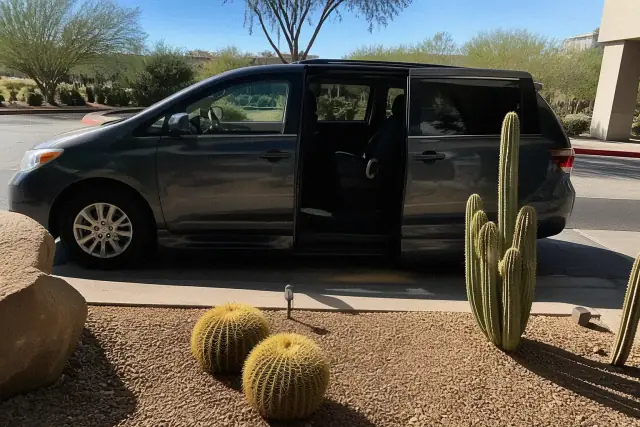
Medical transport van parked curbside with open sliding doors in Scottsdale, AZ, surrounded by desert cacti and flora.

Door-to-door service extends beyond a curbside pickup. When needed, drivers assist from the client's door through a lobby or driveway, into the vehicle, and through the same steps at the destination.

Long Distance Medical Transportation

Rear interior of a medical transport ambulance with equipment in Scottsdale, AZ.

Long-distance and inter-facility rides connect Scottsdale patients with specialists, rehabilitation centers, and hospitals across Maricopa County or outside the immediate metro area. Advance scheduling allows dispatch to confirm vehicle availability and route timing.

Choosing Your Ride

How to Choose Medical Transportation in Scottsdale

The right ride depends on more than the destination. Dispatch considers the rider's mobility device, ability to sit upright, assistance needs, pickup access, appointment schedule, and travel distance before matching a vehicle and driver.

Mobility Equipment Fit

Tell dispatch whether the rider uses a manual chair, power chair, scooter, or oversized device. That information determines whether a ramp-equipped van, lift-equipped vehicle, or reinforced bariatric vehicle is the appropriate match.

Pickup Access and Boarding

Share details about steps, driveways, lobbies, loading zones, and covered entrances before the ride. Planning the path from the door to the vehicle helps drivers provide the right level of boarding assistance.

Ride Position Needs

A rider who can remain safely seated may use ambulatory or wheelchair transportation. Someone who cannot sit upright needs a gurney-equipped vehicle and trained attendants for stretcher securement and transfers.

Recurring Schedule Planning

Dialysis, physical therapy, and other ongoing care can be placed on a standing schedule. Recurring planning keeps appointment times, mobility needs, and expected return arrangements attached to the route.

Appointment and Return Timing

Provide the appointment time and an estimated return window when booking. If a procedure runs long, dispatch can adjust the pickup rather than treating the original estimate as a fixed departure.

Distance and Route Planning

Routine Scottsdale trips and longer routes require different timing. Advance notice is especially useful for travel to specialty care in Phoenix, Mesa, Paradise Valley, Fountain Hills, Cave Creek, Carefree, or elsewhere across Maricopa County.

Scottsdale Transportation Gaps

Common Medical Transportation Challenges in Scottsdale

Scottsdale has expanded considerably since its 1951 incorporation, while medical destinations remain spread between northern specialty clinics and southern hospital campuses. Older adults, wheelchair users, dialysis patients, and people recovering from procedures can face barriers that standard transportation does not address.

Plan My Ride

Extreme Summer Heat

A prolonged wait outside a hospital or clinic can be unsafe for a senior, dialysis patient, or wheelchair user during July and August. Climate-controlled accessible vehicles reduce time spent waiting for transportation that cannot accommodate the rider.

Limited Reliable Transportation

Medical Expenditure Panel Survey data reports that about 6 percent of U.S. adults have missed medical appointments, meetings, or work because reliable transportation was unavailable. The barrier is especially relevant for older adults and people whose mobility devices will not fit a personal vehicle.

Costly Missed Appointments

Industry data places the average cost of a missed transportation slot between $200 and $265 after rescheduling, treatment delays, and lost provider time are considered. Dependable scheduling matters to both the patient and the care team.

Mobility and Balance Risks

Sedation, vision limitations, a recent procedure, or general weakness can make the walk from a door to a curb difficult. A driver who watches for balance concerns and moves at the client's pace provides support where a standard ride may not.

Complex Facility Pickups

Hospital loading zones, valet lanes, security checkpoints, and designated accessible entrances can delay an unfamiliar driver. Local route planning accounts for campus procedures near Osborn Road and the Hayden Road medical corridor.

Recurring Treatment Schedules

Chronic care and ongoing therapy require consistent pickup and return coordination. Standing schedules preserve the rider's equipment and assistance details while dispatch adapts when treatment runs longer than expected.

Why Ride With Us

Why Choose Phoenix Non Emergency Medical Transport in Scottsdale?

The team plans for Scottsdale's heat, spread-out medical campuses, retirement communities, and facility-specific pickup procedures. Each ride combines trained staff, accessible equipment, documented coordination, and assistance matched to the individual rider.

CPR and First Aid Certified Drivers

Drivers maintain current CPR and first aid certification and complete defensive-driving training specific to accessible vehicle operation. They also train in safe transfer techniques and assistance for riders who need a slower, supported boarding process.

Vehicle Safety and Accessibility Checks

Accessible vehicles carry current registration and inspection aligned with Arizona Department of Transportation requirements. Drivers check restraint systems before each trip, and the team trains on Americans with Disabilities Act accessibility standards for passenger vehicles.

HIPAA-Compliant Local Coordination

Booking details, appointment information, mobility needs, and trip documentation are handled under HIPAA-compliant protocols. Drivers also understand loading, covered drop-off, valet, and security procedures at major Scottsdale medical campuses.

Six-Step Ride Process

Our Medical Transportation Process in Scottsdale

Patients, caregivers, case managers, and discharge planners can start with a call or online request. The process captures the details needed to match assistance, vehicle equipment, schedule, and route before pickup.

01.

Share Trip Details

Provide the pickup and destination addresses, appointment time, mobility equipment, and any assistance needed at the door.

02.

Confirm Appointment and Return

Dispatch confirms the appointment time and records an estimated return trip when one is needed.

03.

Match Vehicle and Driver

A vehicle and driver are assigned according to the rider's mobility device, medical needs, transfer requirements, and route.

04.

Assist Door-to-Door Boarding

The driver helps the client move from the pickup door into the vehicle and supports transfers when requested.

05.

Secure and Transport

Before departure, the driver checks wheelchair or stretcher securement and then stays attentive to the client throughout the ride.

06.

Complete Drop-Off and Return

The driver assists the client into the facility or home, while dispatch coordinates a return ride and adjusts when care runs late.

Common Ride Plans

Transportation Support for Scottsdale Patients & Care Teams

Case Study 1: Wheelchair Ride Planning: Dispatch matches manual chairs, power chairs, scooters, and oversized devices with suitable ramps, lifts, and securement equipment.

Case Study 2: Recurring Dialysis Coordination: Standing schedules keep treatment times, rider assistance, equipment details, and return arrangements connected from trip to trip.

Case Study 3: Hospital Discharge Coordination: Case managers can share clearance timing and mobility needs so dispatch can plan a wheelchair- or stretcher-equipped pickup.

Plan Accessible Transportation

Schedule Scottsdale
Medical Transportation
Today

Share the rider's pickup, destination, appointment, equipment, and assistance details to begin planning. Phoenix Non Emergency Medical Transport will match the request with the appropriate Scottsdale transportation option and route timing.

Scottsdale Ride Help

FAQs About Medical Transportation in Scottsdale, AZ

These answers explain ride types, equipment, scheduling, service coverage, pricing factors, and the information dispatch needs to plan non-emergency medical transportation.

Call About a Ride

Services include wheelchair, stretcher, ambulatory, bariatric, dialysis, medical appointment, hospital discharge, senior, door-to-door, and long-distance medical transportation. Dispatch matches the ride type to the client's mobility, transfer, schedule, and route needs.

No. Non-emergency medical transportation is for trips that do not require a 911 response but still need an accessible vehicle, trained driver, or mobility assistance. Call emergency services when a patient needs immediate emergency medical care.

The fleet accommodates manual chairs, power chairs, scooters, and standard or oversized mobility devices. Dispatch asks about the equipment before assigning a ramp-, lift-, or bariatric-equipped vehicle.

Drivers use a four-point tie-down restraint system that meets SAE J2249 wheelchair tie-down and occupant-restraint standards. The securement system is checked before the vehicle departs.

Stretcher transportation is intended for a patient who cannot sit upright for the trip. A gurney-equipped vehicle and trained attendants support securement, monitoring, and transfers at both ends.

Ambulatory service supports clients who can walk with minimal assistance but should not drive because of sedation, vision limitations, or a recent procedure. The driver assists between the door and vehicle and watches for balance concerns.

Yes. When needed, the driver can assist from the client's door through a lobby or driveway, into the vehicle, and into the destination. Share specific access and transfer needs during booking.

Yes. Standing schedules can be created for dialysis, physical therapy, and other ongoing care so the client does not need to rebook every trip. Dispatch can also adjust return timing when treatment runs long.

Dispatch works with hospital case managers or discharge planners to match a wheelchair- or stretcher-equipped vehicle to the patient. Pickup timing is coordinated around paperwork clearance and the assistance required at home or the next facility.

Yes. Long-distance and inter-facility rides can connect Scottsdale patients with hospitals, rehabilitation centers, and specialists across Maricopa County or outside the immediate metro area. Advance notice helps confirm vehicle availability and route timing.

Routes cover Old Town, DC Ranch, Grayhawk, Troon, South Scottsdale, and corridors near Hayden Road, Miller Road, Thompson Peak Parkway, and Chaparral Road. Regular regional coverage also includes Phoenix, Mesa, Paradise Valley, Fountain Hills, Cave Creek, and Carefree.

Pricing depends on trip distance, vehicle type, and whether transportation is one-way or round trip. Bariatric and stretcher trips are typically priced higher than ambulatory or standard wheelchair rides because they require additional equipment and staffing.

The team can help compare a wheelchair van rental with scheduled transportation for a single event, an extended stay, or recurring care. Scheduled transportation includes trained staff, insurance, accessible equipment, and door-to-door assistance instead of requiring a family member to drive.

Provide the pickup and destination addresses, appointment time, mobility equipment type, and any assistance needed at the door. Include an estimated return time when a round trip is needed.

Patient information, appointment details, mobility needs, and trip documentation are handled under HIPAA-compliant protocols from booking through drop-off. The team coordinates with family members, case managers, and facility discharge planners while protecting those details.