Proudly serving Phoenix, Mesa, Glendale, Scottsdale, Tempe, Chandler & surrounding areasCall or Text 24/7: 602-449-8153
Aerial view of Phoenix, AZ, showing desert foothills, saguaro cacti, and residential neighborhoods at sunset.

Senior Medical Transportation in Phoenix, AZ: Assisted Rides & Mobility Support for Older Adults

Phoenix Non Emergency Medical Transport provides senior medical transportation in Phoenix for older adults who need reliable, assisted rides to care. The service includes wheelchair, stretcher, ambulatory, bariatric, dialysis, medical appointment, hospital discharge, door-to-door, and long-distance transportation. Lift-equipped and gurney-equipped vehicles handle mobility needs that a standard car cannot accommodate. Families can arrange one-time, same-day, or recurring rides with scheduling support from dispatch.

Phoenix covers 517.9 square miles and has more than 1.6 million residents within a metro population near 5.19 million, making transportation planning especially important for older adults. Seniors in Sun City, Sun City West, Ahwatukee, and Arcadia may need to cross long distances for dialysis, cardiology, or follow-up care. Summer temperatures push past 110 degrees for weeks, so a missed pickup can become a health concern rather than a simple inconvenience. Coordinated medical transport provides a reliable alternative when relatives, public transit, or rideshare cannot provide the required support.

Drivers are trained in CPR, First Aid, and safe patient handling and transfer techniques. Vehicles are maintained to Arizona Department of Transportation standards, cleaned and sanitized between trips, and operated with commercial insurance. Dispatch coordinates with hospitals, dialysis centers, clinics, and family caregivers so each ride is matched to the passenger's needs.

Phoenix Non Emergency Medical Transport provides senior medical transportation in Phoenix, Scottsdale, Tempe, Mesa, Glendale, and the greater Maricopa County metro area.

★ ★ ★ ★ ★4.9/5 Average Rating · 20+ Years of Experience · Thousands of Customers Helped · Licensed & Insured · Patients, Families & Care Teams

Senior Transportation Options & Benefits

What Is Senior Medical Transportation?

Senior medical transportation is non-emergency medical transportation, or NEMT, for stable passengers who need more support than a standard car, taxi, or rideshare provides. Trips may be scheduled in advance or requested the same day when vehicle and driver availability allow.

Unlike an ambulance dispatched through 911 for an acute emergency, NEMT is built around planned travel to and from care. Trained transport personnel help with mobility, securement, and safe entry and exit while the passenger remains medically stable.

The appropriate ride may be ambulatory, wheelchair accessible, stretcher equipped, or bariatric capable. Dispatch reviews the passenger's mobility, equipment, destination, and timing before confirming the transportation plan.

Benefits of Assisted Senior Transportation

Professional senior transportation combines practical mobility help with scheduling coordination, giving older adults and their caregivers a clearer path from home or a facility to necessary care.

  • Door-to-door assistance instead of a curbside drop-off
  • Lift-equipped and gurney-equipped vehicles matched to mobility needs
  • Drivers trained in CPR, First Aid, and safe patient handling
  • Secure transport for wheelchairs, walkers, canes, and rollators
  • Direct coordination with clinics, hospitals, and dialysis centers
  • Recurring schedules for ongoing treatments and appointments
  • Climate-controlled vehicles cleaned between transports
  • Scheduling and cost details explained before booking
Transportation for Older Adults

Senior Medical Transportation Services

Service is matched to how the passenger walks, transfers, sits during travel, and reaches the destination. Options support routine care, recurring treatments, post-hospital transitions, and trips that require specialized mobility equipment.

Wheelchair Transportation

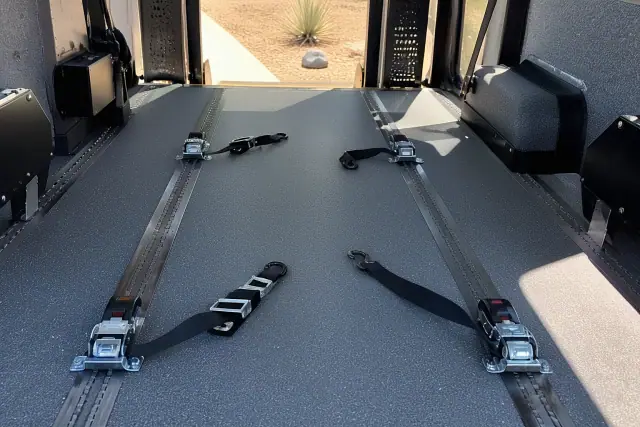
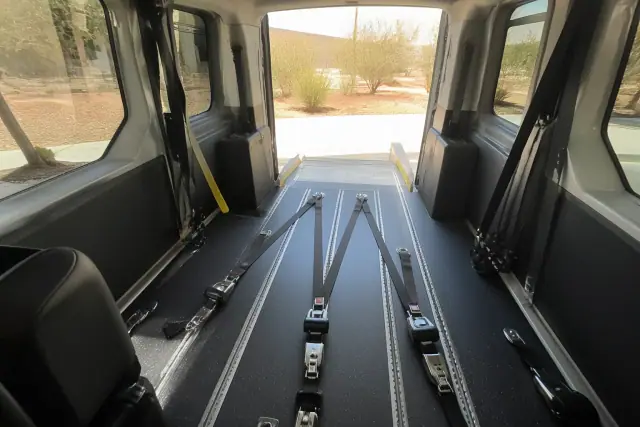
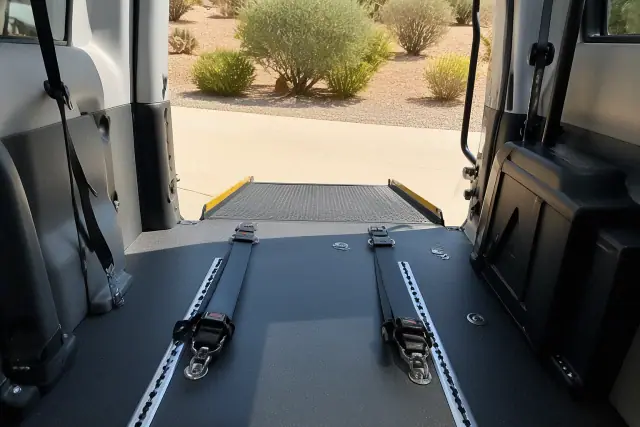
Wheelchair securement straps on a van floor with desert landscaping visible in Phoenix, AZ.

Lift-equipped vans carry manual and power chairs using four-point tie-down securement systems that meet ADA-compliant transportation standards. Drivers assist with transfers at the passenger's pace, and hydraulic or ramp-style lifts follow a regular inspection schedule.

Request Estimate

Stretcher Transportation

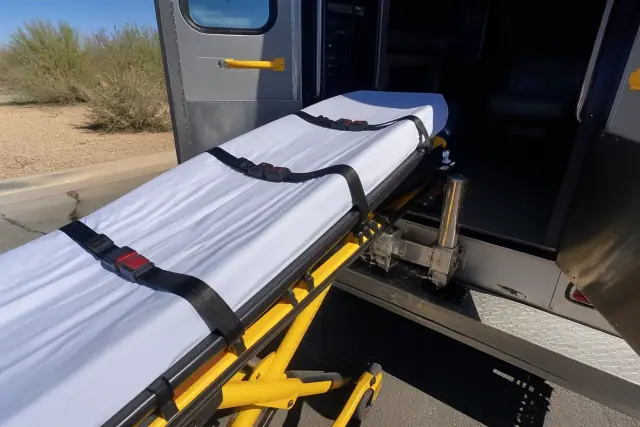
A stretcher secured in a medical transport vehicle with safety belts, parked in Phoenix, AZ.

Gurney-equipped transport supports passengers who cannot sit upright or transfer into a standard seat, including people recovering from major surgery, spinal injury, or advanced illness. Secured harnesses, adjustable positioning, and climate-controlled cabins provide added support, while dispatch confirms equipment needs with a physician, case manager, or discharge planner.

Request Estimate

Ambulatory Transportation

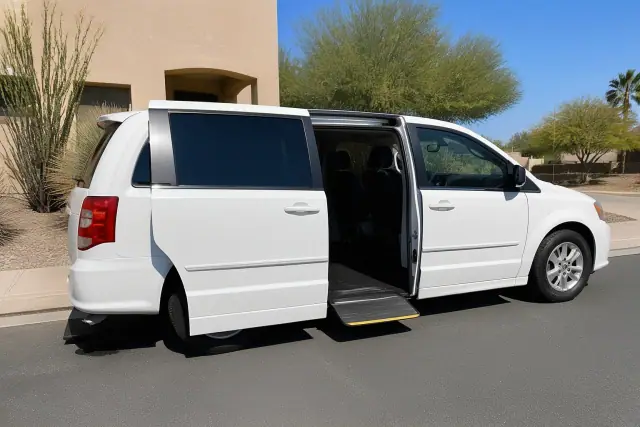
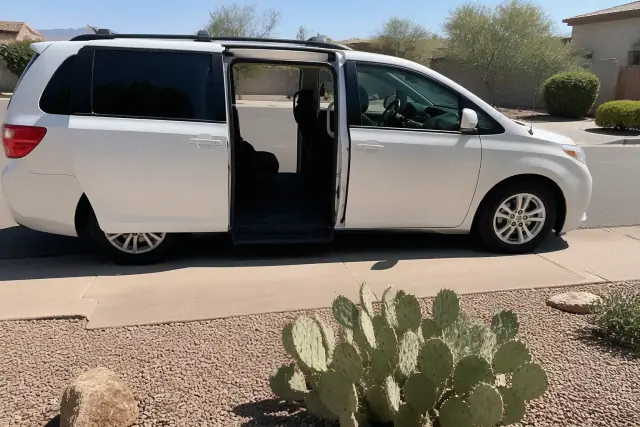
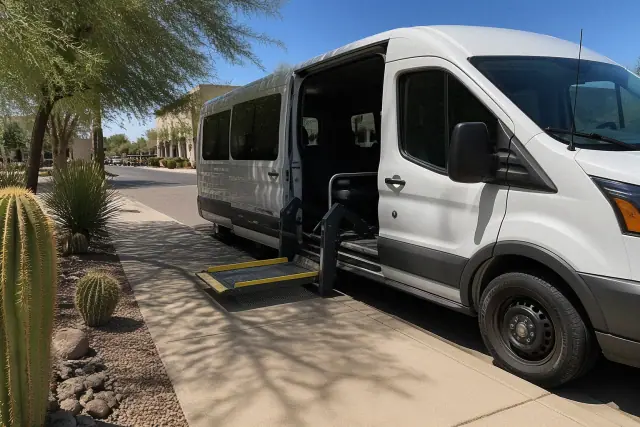
Medical transport van with open doors and passenger step deployed on a street in Phoenix, AZ.

Ambulatory rides serve seniors who can walk short distances or use a cane, walker, or rollator but should not drive because of vision changes, medication side effects, or a recent procedure. Staff assist from the door, fold and secure mobility devices, and provide the same support on the return trip.

Request Estimate

Bariatric Transportation

Wheelchair floor tracking and heavy-duty tie-down straps inside a medical transport van in Phoenix, AZ.

Bariatric transport uses reinforced wheelchairs, wider ramps, oversized wheelchair accommodations, and higher-capacity lift systems designed for heavier loads than standard NEMT equipment. Staff use bariatric transfer techniques and protect each passenger's comfort, privacy, and dignity.

Request Estimate

Dialysis Transportation

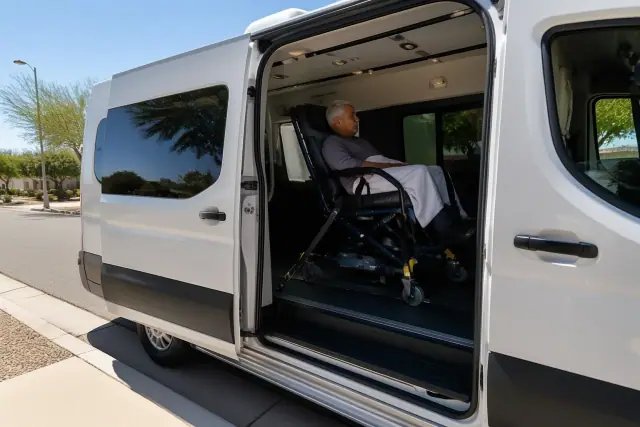
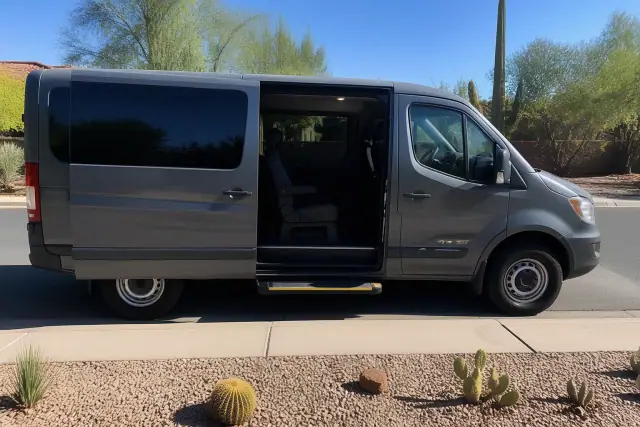
Medical transit van with open sliding doors for dialysis transportation in Phoenix, AZ.

Dialysis patients commonly need transportation three times a week, and missing even one treatment can have serious health consequences. Recurring weekly scheduling aligns pickups with treatment days and times so families do not need to rebook every trip.

Request Estimate

Hospital Discharge Transportation

Interior of a medical transport van with wheelchair tie-down straps and desert views in Phoenix, AZ.

Hospital discharge rides coordinate pickup timing with case managers once paperwork clears and provide wheelchair or stretcher support when needed. Staff can carry discharge paperwork, prescriptions, and medical equipment inside and help the patient settle safely rather than leaving them at the curb.

Request Estimate
Specialized Ride Options

More Senior Transportation Options

Beyond mobility-level transport, families can arrange rides around appointment type, pickup support, travel distance, recurring schedules, and available coverage. Dispatch reviews these details before the ride so the plan fits both the passenger and the destination.

Medical transportation vehicle with open side doors parked by a curbside in Phoenix, AZ with desert landscaping.

Medical Appointment Transportation

Appointment transportation is scheduled around the patient's care calendar, with clinic or physician-office coordination used to confirm timing and build in an arrival buffer.

  • Primary care visits
  • Specialist follow-ups
  • Physical therapy appointments
  • Lab work and testing
  • Recurring monthly medical visits
Request Estimate
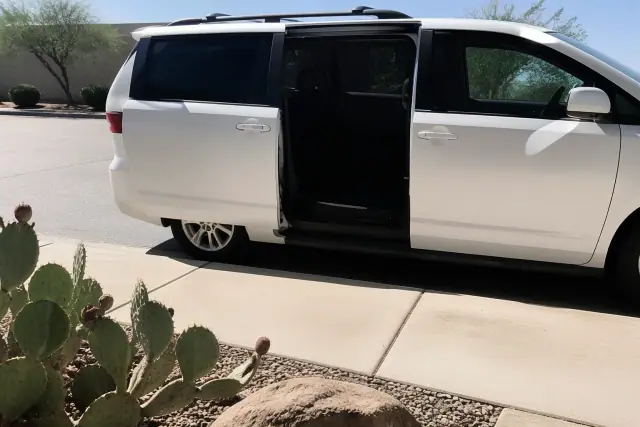
Medical transport van with side doors open for boarding on a sidewalk with desert landscaping in Phoenix, AZ.

Door-to-Door Transportation

Door-to-door service begins at the passenger's actual location inside a home or care facility and continues through assisted arrival at the destination.

  • Confirmation call before pickup
  • Assistance from a bedroom, living room, or facility room
  • Supported transfer into the assigned vehicle
  • Direct transport to the scheduled destination
  • Assisted arrival and return-trip support
Request Estimate
Medical transport van with sliding doors open for boarding on a residential street in Phoenix, AZ.

Long-Distance Medical Transportation

Long-distance service connects Phoenix patients with regional treatment centers and specialty clinics when the necessary care is not available closer to home. Extended rides include climate control, planned rest stops, and the same wheelchair or stretcher equipment used locally.

  • Specialty-care trips to Tucson
  • Medical travel to Flagstaff
  • Other Arizona Sun Corridor destinations
  • Regional routing along I-17 and I-10
  • Metro connections using Loop 101 and 202
Request Estimate
A van with an open side door and wheelchair lift parked by a curb in Phoenix, AZ, near desert landscaping.

Recurring Transportation

Weekly or monthly scheduling keeps repeat rides tied to the patient's actual treatment plan. A standing schedule reduces repeated booking work and helps caregivers manage predictable pickup windows.

  • Dialysis treatment days and times
  • Physical therapy schedules
  • Specialist follow-up appointments
  • Monthly medical transportation
  • Family and caregiver coordination
Request Estimate
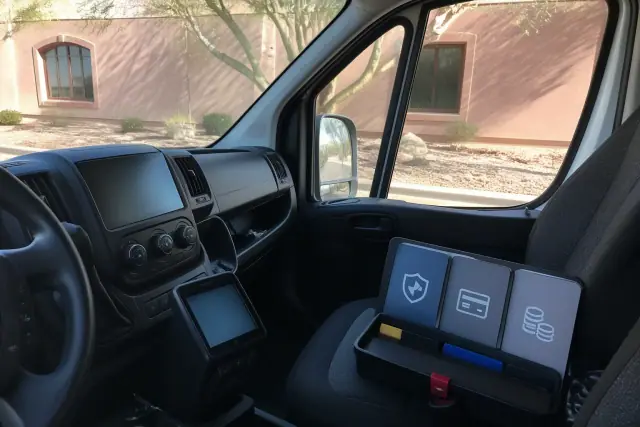
Front dashboard and passenger seat of a medical transport van parked outside a medical office in Phoenix, AZ.

Coverage and Payment Options

Coverage depends on the passenger's plan, medical necessity, trip type, and provider eligibility. The team can review potential program benefits and private-pay rates before transportation is scheduled.

  • AHCCCS transportation benefits for qualifying members
  • Medicare Part B rules for medically necessary ambulance transport
  • Possible limited NEMT benefits through some Medicare Advantage plans
  • Area Agencies on Aging programs coordinated through the Arizona Department of Economic Security
  • MAG Connect-A-Ride resources from the Maricopa Association of Governments
Request Estimate
Matching Support to Mobility

Choosing the Right Senior Transport Option

The right option depends on whether the passenger can walk, sit upright, transfer safely, and travel with a wheelchair, stretcher, walker, or bariatric device. Distance, appointment timing, pickup environment, and the level of door assistance also shape the plan. Dispatch can explain scheduling and cost before the family commits.

Trained Patient-Support Drivers

Drivers receive training in CPR, First Aid, patient handling, and transfer techniques before transporting passengers. That preparation supports careful assistance for wheelchair users, stretcher passengers, bariatric patients, and ambulatory seniors.

Medical-Grade Vehicle Equipment

The fleet includes lift-equipped and gurney-equipped vehicles with wheelchair securement, bariatric-capable equipment, adjustable stretcher positioning, and climate control. Regular equipment inspection and vehicle maintenance support consistent performance.

Coordinated Door-to-Door Care

Dispatch works with hospitals, dialysis centers, physician offices, care facilities, and family caregivers to align pickup timing and mobility support. Staff assist from the starting room or doorway through arrival instead of limiting service to the curb.

Support from Pickup to Arrival

Why Choose Us for Senior Medical Transportation?

Phoenix Non Emergency Medical Transport combines trained drivers, commercially insured vehicles, maintained mobility equipment, and direct scheduling coordination. Families can discuss the passenger's transfer needs, destination, coverage questions, and private-pay cost before confirming a ride.

Request Transportation

No Safe Vehicle for Mobility Equipment

A standard car may not fit a power chair, reinforced bariatric wheelchair, or safely secured mobility device. Lift-equipped transportation provides the ramp or hydraulic lift and tie-down system the passenger needs.

Missed Recurring Treatments

Dialysis and other repeating treatments run on fixed care schedules, and a late arrival can shorten a session or cause a missed slot. Recurring transportation keeps treatment days and pickup times organized in advance.

A Difficult Hospital Discharge

A passenger leaving the hospital may need more help than a taxi can provide, including wheelchair or stretcher support and assistance getting settled at home. Coordination with discharge planning staff helps align pickup with completed paperwork.

Extreme Heat and Long Travel Distances

Phoenix's long hot season makes vehicle climate control and dependable pickup especially important for older adults. Stretcher passengers also benefit from protected transfers during monsoon storms that can affect the Valley from July through September.

Transfers That Need More Support

Moving from a bed, chair, walker, or facility room into a vehicle can create strain and fall risk when handled too quickly. Trained personnel assist at the passenger's pace and secure mobility devices before travel.

Confusing Coverage and Ride Costs

AHCCCS, Medicare, Medicare Advantage, senior programs, and private pay follow different eligibility and coverage rules. Reviewing the trip and plan before booking helps families understand which option may apply and what costs remain.

How It Works

Our Senior Transportation Process

Each trip starts with the passenger's mobility and care schedule, then moves through vehicle matching, pickup assistance, transport, and arrival support. Recurring and return rides can be coordinated within the same planning process.

01.

Discuss the Ride and Mobility Needs

Share the pickup and destination, appointment time, mobility device, transfer needs, and whether the trip is one-time or recurring. Dispatch uses those details to identify the appropriate service level.

02.

Confirm Timing with the Care Team

Dispatch confirms appointment or discharge timing with the clinic, hospital, dialysis center, facility, or family caregiver when coordination is needed. A planned arrival buffer helps the passenger reach check-in without being rushed.

03.

Match the Vehicle and Equipment

The ride is assigned as ambulatory, wheelchair, stretcher, or bariatric transportation based on how the passenger transfers and sits during travel. Walkers, canes, rollators, chairs, and other required equipment are included in the plan.

04.

Provide Assisted Door Pickup

Staff arrive at the home or facility and assist from the passenger's starting point, which may be a bedroom, living room, or care room. The transfer proceeds at the passenger's pace before equipment is secured.

05.

Complete Safe, Comfortable Transport

Wheelchairs use secure tie-downs, stretchers use harness systems, and mobility devices are folded or positioned so they do not shift en route. Climate control is maintained throughout the trip.

06.

Assist at Arrival and on the Return

At the destination, staff assist the passenger inside rather than ending the ride at the curb. When a return trip is scheduled, the same door-to-door sequence is completed back to the home or facility.

Plan the Next Ride

Schedule Senior Medical Transportation

Tell the dispatch team where the passenger is going, how they move and transfer, and whether wheelchair, stretcher, bariatric, or ambulatory support is needed. The team will review availability, scheduling, and cost before the ride is confirmed.

Phoenix Transportation Help

Senior Medical Transportation FAQs

These answers cover common questions about senior ride options, mobility support, coverage, booking, and medical destinations in Phoenix. Call the transport team to discuss a passenger's specific needs.

Call Our Transport Team

Options include Valley Metro reduced-fare bus and light rail service for riders 65 and older, paratransit, Area Agency on Aging coordinated programs, ride-hailing, and private NEMT. Public transit may fit mobile seniors who can manage stops and schedules, while professional door-to-door transport better supports wheelchairs, walkers, stretchers, dialysis, and post-surgical recovery.

Medicare Part B generally covers ambulance transportation when medically necessary and usually does not cover routine NEMT, although some Medicare Advantage plans offer limited ride benefits. A non-emergency ambulance call in the Phoenix area can cost $250 or more; typical Arizona private-pay NEMT ranges are $35-$60 for ambulatory transport, $65-$115 for wheelchair transport, and $300-$525 for stretcher transport, depending on distance and equipment.

Families may combine relatives, Valley Metro senior services, Area Agency on Aging programs, and private NEMT depending on mobility and trip purpose. Specialized medical transport is suited to dialysis, hospital discharge, or trips requiring wheelchair, stretcher, or door-to-door assistance, and recurring rides can be scheduled instead of booked one at a time.

Ambulances respond through 911 when a patient needs emergency intervention from paramedics. NEMT transports medically stable passengers to and from care using scheduled or same-day rides, trained transport staff, and mobility equipment matched to the trip.

Yes. Vehicles carry commercial insurance, and drivers are trained in CPR, First Aid, safe patient handling, and transfer procedures. Lift and stretcher equipment follows a regular inspection schedule, and vehicles are maintained to Arizona Department of Transportation standards.

The company works with patients covered through the Arizona Health Care Cost Containment System when their specific plan includes NEMT benefits, and eligibility is reviewed before scheduling. Private pay is also available when coverage does not apply to the trip or provider.

Weekly or monthly scheduling is recommended for routine dialysis, physical therapy, and other recurring care. Same-day requests depend on vehicle and driver availability, while hospital discharge transportation generally needs a few hours' notice after paperwork is confirmed. Booking earlier usually provides more pickup-window flexibility.

Yes. Wheelchair-accessible vans use hydraulic or ramp-style lift equipment and four-point tie-down securement for manual and power chairs. Staff can assist with transfers and handle the chair at the passenger's pace.

Stretcher transportation is intended for medically stable passengers who cannot sit upright or transfer into a standard vehicle seat. It may be used after major surgery or for spinal injuries, advanced illness, and other severe mobility limits when a physician, discharge planner, or case manager identifies the need.

Yes. Recurring transportation can be arranged around the patient's treatment days and times so each ride does not need to be rebooked. This is especially useful for dialysis schedules that commonly require travel three times each week.

Staff can enter the home or facility, assist from the passenger's bedroom, living room, or care room, complete the transfer, and provide direct transportation. At the destination, they assist the passenger inside, with the sequence reversed for a scheduled return.

Yes. Long-distance rides serve regional treatment centers and specialty clinics, including trips to Tucson, Flagstaff, and other Arizona Sun Corridor destinations. Travel planning may include rest stops, climate control, and wheelchair or stretcher equipment appropriate to the passenger.

Dispatch coordinates with hospital case managers around the time discharge paperwork is expected to clear and assigns wheelchair or stretcher support when needed. Staff can assist with prescriptions, paperwork, and medical equipment and help the patient settle safely at home instead of providing only a curb drop-off.