Proudly serving Phoenix, Mesa, Glendale, Scottsdale, Tempe, Chandler & surrounding areasCall or Text 24/7: 602-449-8153
Aerial view of Phoenix, AZ, showing desert foothills, saguaro cacti, and residential neighborhoods at sunset.

Medical Transport in Surprise, AZ: Accessible Transit for Dialysis & Routine Medical Care

Phoenix Non Emergency Medical Transport provides wheelchair, stretcher, and ambulatory transportation in Surprise, Arizona. Our lift-equipped vans and trained drivers also support medical appointments, hospital discharges, dialysis trips, and senior riders. Door-to-door assistance helps mobility-limited patients travel between homes and facilities across the West Valley. We coordinate the vehicle type and mobility support around each rider's condition.

Surprise grew from 30,848 residents in 2000 to 143,148 in the 2020 census, with many retirees living in Sun City Grand, Sun City West, and newer master-planned communities. Fixed-route service does not reach many subdivisions west of Litchfield Road, while medical trips often follow firm appointment windows. In July and August, pavement temperatures regularly exceed 140 degrees, so climate-controlled vehicles and tightly scheduled pickups matter for riders with limited mobility. Call us to plan a dependable ride around the patient's appointment and assistance needs.

We schedule rides throughout Surprise, the wider West Valley, and Maricopa County, including cross-city trips for hospital systems and specialty care.

★ ★ ★ ★ ★4.9/5 Average Rating - 20+ Years of Experience - Thousands of Customers Helped - Licensed & Insured - Patients, Families & Care Teams
Transportation Services

Medical Transportation Options in Surprise, AZ

Choose the ride format that fits the patient's mobility, medical appointment, and transfer needs. Families coordinating care elsewhere in the West Valley can also review our service in Avondale, AZ .

Wheelchair Transportation
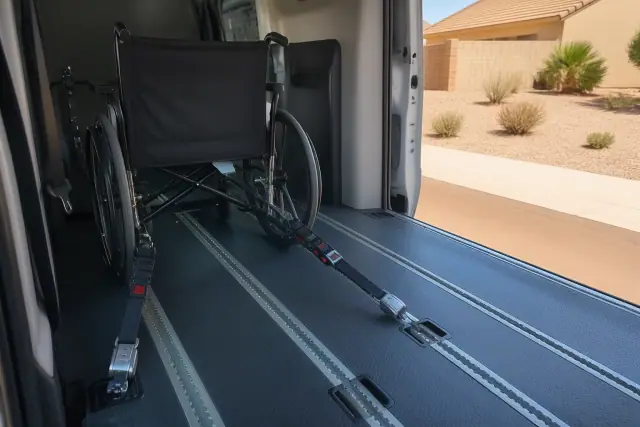
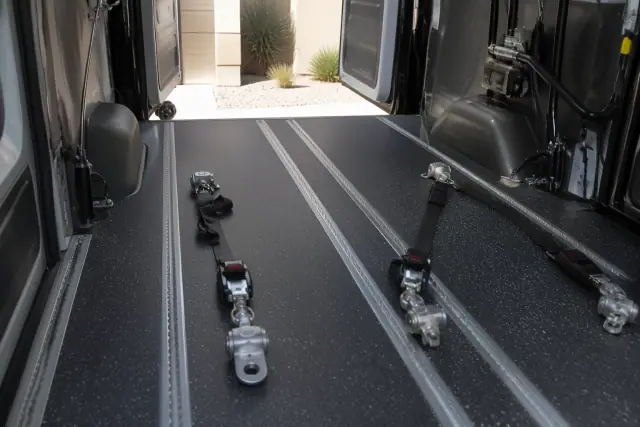
Wheelchair securement system with floor tracks and tie-down straps inside a medical transport van in Surprise, AZ.

Hydraulic lifts and multi-point tie-down systems secure standard and heavy-duty wheelchairs during transit. Our vans meet ADA accessibility guidelines, and drivers receive wheelchair-securement training; nationally, wheelchair and bariatric trips account for roughly 30.3% of non-emergency medical transportation. Explore Service

Explore Service
Stretcher Transportation

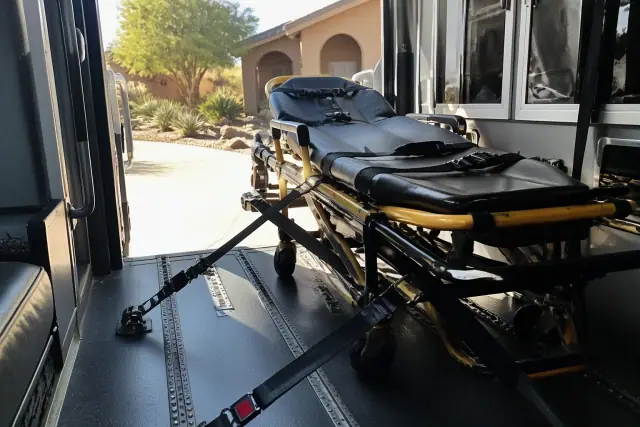
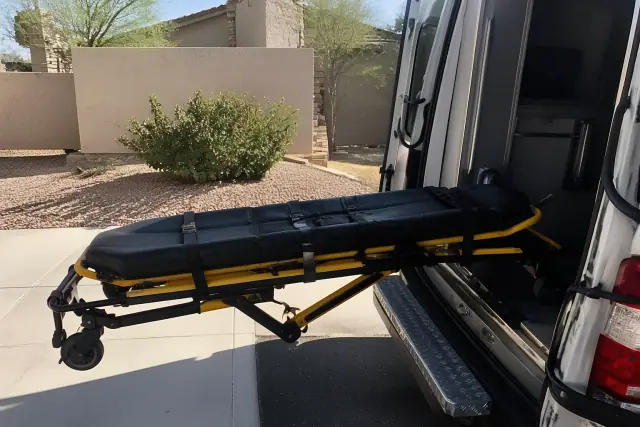
Stretcher secured at the back of a medical transport vehicle during loading in Surprise, AZ.

Stretcher vans carry patients who cannot safely sit upright in a supine position with proper restraint systems. Trained attendants coordinate with facility staff and manage safe patient handling at both ends of the trip. Explore Service

Explore Service
Ambulatory Transportation

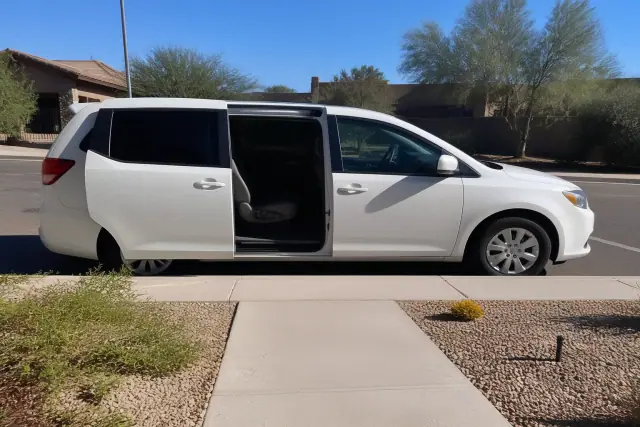
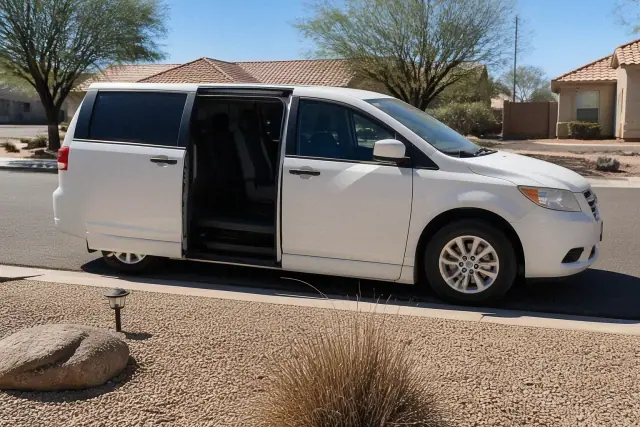
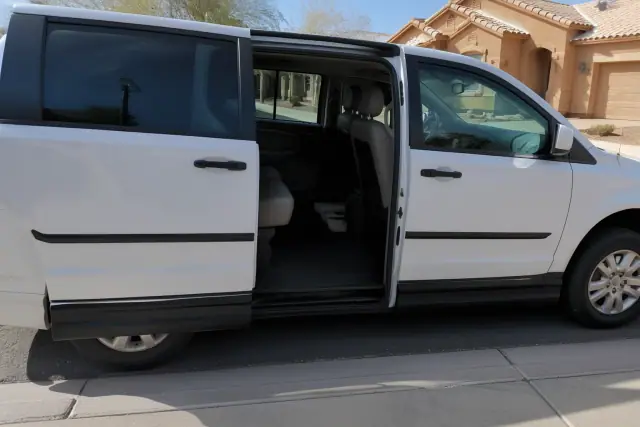
Ambulatory medical transport vehicle with open side doors for passenger boarding at a residential driveway in Surprise, AZ.

Ambulatory transportation includes help walking between the door and vehicle for riders who do not need a wheelchair or stretcher. This trip type represents around 63.5% of NEMT rides nationally. Explore Service

Explore Service
Bariatric Transportation

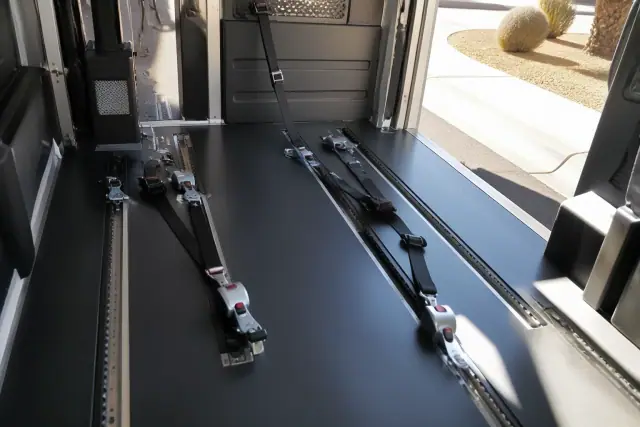
Wheelchair securement station with floor tracking and heavy-duty tie-down straps in a medical transport van in Surprise, AZ.

Bariatric transportation uses reinforced ramps, wider securement systems, and vehicles rated for higher weight capacities. We confirm weight and mobility details at booking so the correct equipment and trained staff are assigned.

Dialysis Transportation

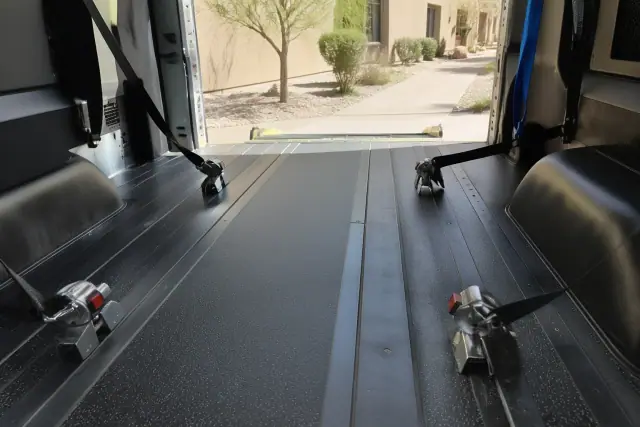
Interior of a medical transport van with wheelchair tie-down straps and floor tracks in Surprise, AZ.

Dialysis commonly requires transportation three times a week on a fixed schedule. We create recurring routes to centers along Bell Road and Litchfield Road and plan arrivals so fatigued patients are not rushed.

Medical Appointment Transportation

Medical transport vehicle with open side doors for curbside pickup in Surprise, AZ, against a desert landscape.

We plan punctual, door-to-door rides for specialist visits, primary care, imaging, and follow-up consultations. Routes account for traffic on Grand Avenue and Bell Road so patients have buffer time before appointments.

Hospital Discharge Transportation

Medical van interior showing heavy-duty wheelchair tie-down straps with desert landscape in the background, Surprise, AZ.

Hospital discharge rides are coordinated around nursing instructions, paperwork, pharmacy pickups, and the patient's post-procedure mobility level. Drivers assist from the hospital pickup area to the vehicle and again at the home entrance.

Senior Medical Transportation

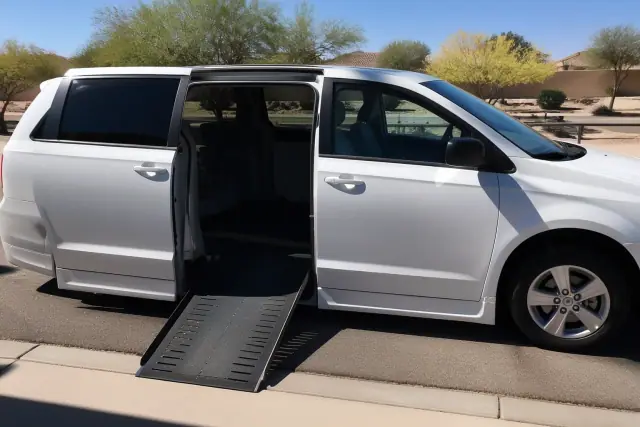
Medical transport van with its side door and mobility ramp deployed on a driveway in Surprise, AZ.

Senior riders receive patient help with walking, door thresholds, and settling into the vehicle. This unhurried support is especially useful for residents of Sun City Grand and Sun City West who face fall risks during transitions.

Door-to-Door Medical Transportation

Medical transport van parked at a curb in Surprise, AZ, with side sliding doors open for passenger boarding.

Door-to-door service includes assistance from the patient's front door to the vehicle and from the vehicle to the facility entrance. It is part of the ride rather than a curbside drop-off or optional upgrade.

Long Distance Medical Transportation

Wheelchair securement station with four-point tie-down straps inside a medical transport vehicle in Surprise, AZ.

Long-distance medical transportation supports specialist trips to Tucson and discharges back to Surprise from elsewhere in Arizona. Wheelchair-accessible or stretcher-equipped vehicles include patient-centered timing and rest stops, while pricing is based on mileage and vehicle type.

Choosing a Ride

How to Choose Medical Transport in Surprise

The right transportation option depends on whether the patient can walk with assistance, uses a wheelchair, or must remain lying down. Booking details, securement equipment, driver training, facility coordination, and route planning should all match the rider's condition and appointment.

Match the Vehicle to Mobility Needs

Tell the scheduler whether the patient needs an ambulatory sedan, wheelchair van, stretcher van, or bariatric-rated setup. Matching the vehicle before dispatch avoids an unsafe or unusable pickup.

Check Lift and Securement Equipment

Wheelchair riders need a lift or secured ramp plus multi-point tie-downs appropriate for the chair. Bariatric riders may also require reinforced ramps and wider securement hardware.

Look for Patient-Handling Training

Drivers should understand wheelchair securement, safe transfers, ADA passenger assistance, and respectful communication. Training matters at thresholds and vehicle entry points where fall and strain risks increase.

Plan Routes Around the Appointment

A medical ride should include travel time, a practical arrival buffer, and known traffic conditions. In Surprise, congestion around Grand Avenue and the Bell Road interchange can affect fixed appointment windows.

Coordinate with the Medical Facility

Discharge and stretcher trips often require communication with nursing or facility staff. Coordination helps align pickup with paperwork, medication stops, patient release, and transfer readiness.

Share Complete Booking Details

Provide the pickup address, destination, appointment time, mobility needs, and whether a return ride is required. Detailed information lets the scheduler confirm equipment and build a practical pickup plan.

Surprise Mobility Challenges

Transportation Barriers for Surprise Patients

Mobility limitations, sparse transit coverage, weather exposure, and tightly timed care can turn an ordinary drive into a serious access problem. Specialized NEMT addresses the vehicle, assistance, and scheduling barriers together.

Plan My Ride

Limited Fixed-Route Coverage

Many newer subdivisions west of Litchfield Road are not well served by fixed-route buses. Families may need door-to-door transport instead of asking a mobility-limited rider to reach a distant stop.

Unreliable Rides to Medical Care

About 6% of U.S. adults report that unreliable transportation has kept them from medical appointments. The risk is especially consequential for people managing surgery recovery, mobility equipment, or repeated care.

Dangerous Outdoor Heat Exposure

Extended outdoor waits during Arizona summer heat can endanger riders with limited mobility or compromised immune systems. Climate-controlled vans and tightly scheduled pickups reduce time spent waiting outside.

Rigid Dialysis Appointment Schedules

Dialysis centers work on fixed treatment windows, and patients may already feel fatigued before or after care. Standing transportation schedules reduce repeated booking work and help keep arrivals consistent.

Post-Surgical Mobility Restrictions

A person leaving the hospital may be unable to climb into a standard car or sit upright safely. The trip must match current restrictions and may require facility coordination, a wheelchair van, or a stretcher.

Vehicles That Cannot Fit Equipment

Standard taxis and rideshares are not built around wheelchair lifts, stretcher restraints, or bariatric securement. Confirming equipment at booking prevents the wrong vehicle from reaching the patient.

Why Choose Us

Why Choose Our NEMT Team in Surprise, AZ

Our service combines West Valley route knowledge with licensed, insured medical transportation and trained patient assistance. We coordinate vehicle selection, accessibility equipment, facility timing, and door-to-door support as parts of one ride.

West Valley Route Knowledge

Drivers plan around Grand Avenue, Bell Road, Litchfield Road, and the internal streets of Sun City West. Familiarity with Banner Del E. Webb Medical Center, HonorHealth Sonoran Crossing, and area clinics supports realistic pickup timing.

Licensed and Insured NEMT Provider

We operate as a licensed, insured medical transportation provider with patient-handling and HIPAA-compliant information practices. The national NEMT market reached $8.65 billion in 2021 and is projected to exceed $15 billion by 2028; modern coordinated providers have also been shown to reduce average per-ride costs by roughly 50% compared with older models.

Door-to-Door Patient Assistance

Drivers help riders through the full movement chain between the front door, vehicle, and facility entrance. Climate-controlled vehicles, calm pacing, and mobility-aware assistance make the ride more suitable than a curbside pickup.

A Coordinated Ride

Our Medical Transportation Process in Surprise

Each ride begins with the patient's appointment and mobility details and ends with assistance at the final door. The six-step process keeps the vehicle, securement, route, and return trip aligned.

01.

Share Trip and Mobility Details

Call or book online with the pickup address, destination, appointment time, mobility needs, and return-trip requirements.

02.

Confirm the Correct Vehicle

We select an ambulatory sedan, wheelchair van, stretcher van, or bariatric-rated vehicle based on the patient's condition and equipment.

03.

Prepare for an Early Arrival

The driver arrives ahead of schedule and begins door-to-door assistance from the residence, allowing time for unhurried vehicle entry.

04.

Secure the Rider for Transit

Wheelchairs and stretchers are positioned and secured with the appropriate multi-point tie-down or restraint system before departure.

05.

Complete the Facility Drop-Off

The driver assists the patient to the facility entrance, while the return pickup is coordinated around the expected appointment length.

06.

Return Safely to the Final Door

At the agreed time, the driver completes the return ride and provides door-to-door assistance from the vehicle back into the home.

Ride Outcomes

What Coordinated Medical Transport Supports

Case Study 1: Recurring care: Standing weekly schedules reduce the need for families to rebook every dialysis or physical therapy trip.

Case Study 2: Hospital transitions: Advance coordination with hospital staff can make discharge pickup and the move back into the home more orderly.

Case Study 3: Specialty care: Long-distance routes can include the correct accessible vehicle, planned rest stops, and timing built around the patient's medical needs.

Plan Your Ride

Schedule Your
Medical
Transportation

Tell us the pickup address, destination, appointment time, mobility needs, and whether a return ride is required. We will review the vehicle type and trip details with you before the scheduled pickup.

Transportation Answers

FAQs About Medical Transportation in Surprise, AZ

These answers cover pricing factors, vehicle choices, accessibility, booking, service areas, and common medical-trip needs. Call if the patient's mobility or facility instructions require a more specific plan.

Call Our Transport Team

Cost depends on trip distance, vehicle type, and whether service is one-way or round-trip. A scheduled NEMT slot averages between $200 and $265 per trip nationally, while shorter local trips in Surprise and the West Valley often cost less; we provide the trip price during booking.

Available options include wheelchair, stretcher, ambulatory, bariatric, dialysis, medical appointment, hospital discharge, senior, door-to-door, and long-distance transportation. The booking team matches the ride to the patient's mobility and care destination.

Wheelchair vans use hydraulic lifts and multi-point tie-down systems for standard and heavy-duty chairs. Drivers are trained in wheelchair securement and confirm the chair is positioned safely before departure.

Wheelchair-accessible bookings generally go more smoothly with at least 24 hours' notice. Advance booking gives the team time to confirm the vehicle, mobility details, route, and return-trip plan.

Same-day requests are handled when capacity allows. Availability depends on the needed vehicle, pickup location, destination, mobility support, and current schedule.

The driver assists from the patient's front door to the vehicle and from the vehicle to the medical facility entrance. The same assistance can be provided on the return ride home, so the service is more than a curbside drop-off.

Yes. Dialysis patients often travel three times a week on a fixed schedule, so standing weekly routes can be arranged to avoid rebooking each trip. Pickup timing is planned to allow an unhurried arrival.

The ride is coordinated around nursing staff, discharge paperwork, possible pharmacy pickups, and the patient's post-procedure mobility level. The assigned vehicle may be ambulatory, wheelchair-accessible, or stretcher-equipped.

Stretcher transportation is for patients who cannot safely sit upright because of injury, post-surgical restrictions, or advanced illness. The patient travels in a supine position with proper restraints and attendants trained in safe handling.

Share the patient's weight, mobility, transfer needs, pickup setting, and destination when booking. These details help the team assign reinforced ramps, wider securement equipment, and a vehicle rated for the required capacity.

Yes. Long-distance trips may include specialist travel to Tucson or a discharge back to Surprise from another Arizona facility. Pricing is calculated by mileage and vehicle type, with rest stops and timing planned around the patient's needs.

Coverage includes Surprise, Sun City Grand, Sun City West, the Original Town Site, Marley Park, Asante, Litchfield Park, Verrado, Peoria, Sun City, El Mirage, Youngtown, Glendale, Waddell, and destinations across Maricopa County. Trips into central Phoenix are available for hospital systems and specialty centers.

No. A rider who needs wheelchair-accessible transportation can book directly without certification through a paratransit program. Vehicles and assistance processes are built around ADA accessibility guidelines.

NEMT serves medical trips that do not require 911 ambulance-level emergency response. Unlike a standard rideshare, it can provide mobility assistance, accessible equipment, patient-trained drivers, and HIPAA-compliant handling of patient information.

The team reviews whether the patient can walk with help, uses a standard or heavy-duty wheelchair, needs bariatric equipment, or must remain lying down. The pickup setting, destination, appointment time, and transfer needs also guide the vehicle choice.