How Arizona Riders Access NEMT
NEMT bridges the gap between an ambulance and ordinary transportation for stable patients who cannot safely drive or use standard transit. That role matters across the Phoenix metro area's 517.9 square miles, where dialysis, cancer treatment, specialist appointments, diagnostic imaging, rehabilitation, and hospital discharge may require scheduled help. AHCCCS members generally begin with their health plan or contracted broker; the AHCCCS Transportation Services numbers in the source are 602-417-4000 and 800-654-8713. Riders using private pay can contact a provider directly with the appointment time, pickup address, destination, mobility needs, and assistance requirements.
Factors That Determine the Right Ride
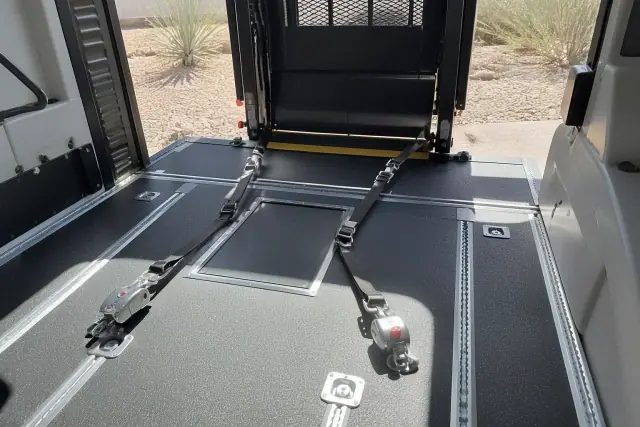
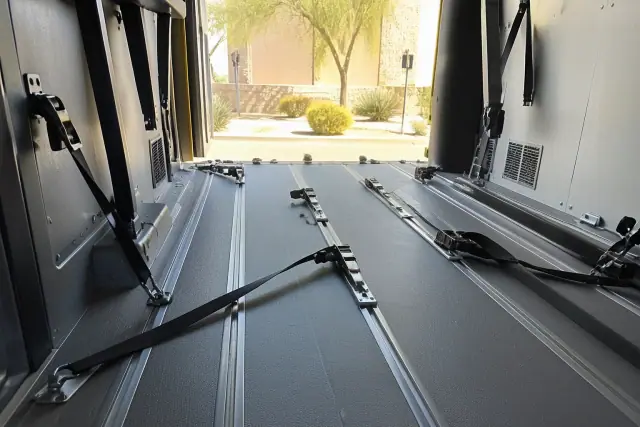
Start with the rider's mobility: ambulatory service fits someone who can walk or transfer with minimal help, a wheelchair van adds a ramp or hydraulic lift and securement, and stretcher transport keeps a stable patient lying down. Then consider hands-on assistance, since door-to-door help, gait-belt support, a companion at the appointment, or a wider ramp for bariatric equipment is different from curbside pickup. Appointment type also matters: recurring dialysis and cancer treatments favor consistent scheduling, while hospital discharge may require less notice and help with new mobility equipment. Finally, compare distance, total cost, wait time, additional stops, and whether the provider can coordinate with a facility or case manager.
Common Follow-Up Questions
Original Medicare generally does not pay for routine scheduled NEMT, although some Medicare Advantage plans include transportation. AHCCCS generally requires active enrollment, a documented medical need, and no other reasonable way to reach a covered appointment; private-pay riders have no formal eligibility requirement. Dialysis transportation may be organized around three round trips a week, and research reported by the Medicaid and CHIP Payment and Access Commission cites a study estimating roughly $3,423 per month per patient in savings for people managing kidney disease through consistent renal transportation. Standard appointments are best booked 24-48 hours ahead, while same-day and hospital-discharge requests depend on vehicle availability.