Original Medicare Is Limited
Routine ambulatory or wheelchair van rides are typically not covered under Original Medicare alone. Coverage generally requires a medical condition that makes ambulance transportation necessary.
For people arranging treatment in Phoenix and Maricopa County, the payer may be Original Medicare, Medicare Advantage, AHCCCS, private insurance, a community assistance program, or the patient. Phoenix Non Emergency Medical Transport helps families understand which coverage rules and documents may apply before recurring dialysis rides begin.
Routine ambulatory or wheelchair van rides are typically not covered under Original Medicare alone. Coverage generally requires a medical condition that makes ambulance transportation necessary.
AHCCCS is a primary payer for eligible Arizona recipients, while many Medicare Advantage plans offer non-emergency medical transportation as a supplemental benefit. Private insurance coverage depends on the individual plan.
Gather the physician's order, documented mobility limitations, treatment frequency, and any required pre-authorization. Medicare Advantage members should also check their Evidence of Coverage for ride limits and approved providers.
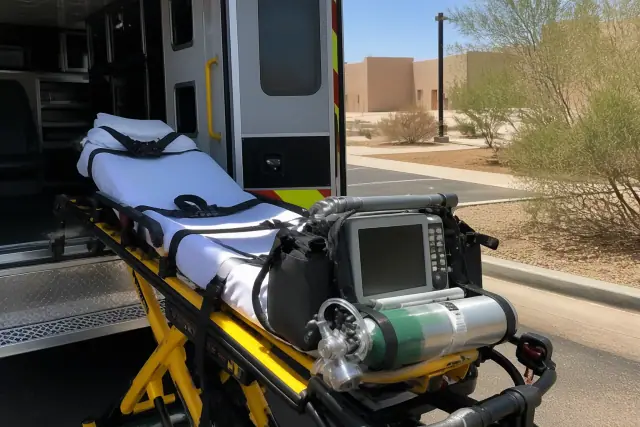
An ambulance pickup at a dialysis center illustrates the level of medical necessity Original Medicare generally requires. It also distinguishes covered ambulance care from routine van transportation.
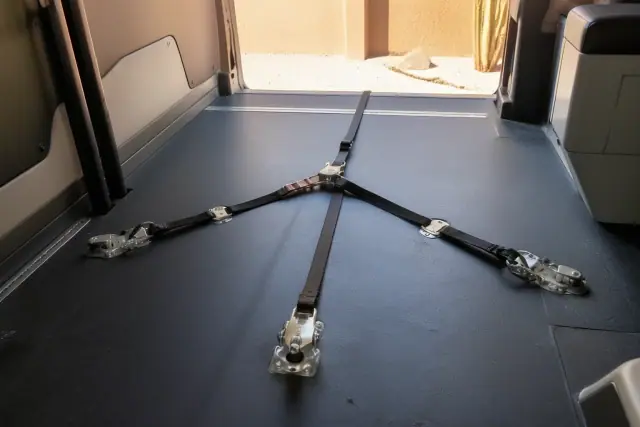
A side-by-side view of ambulatory boarding and a wheelchair lift shows why the documented mobility level matters. The vehicle and securement equipment must match the patient's needs.

A physician's order beside a three-times-weekly treatment calendar makes the approval process concrete. Both medical necessity and recurring frequency should be clear before rides begin.
For most Phoenix dialysis patients with transportation benefits, AHCCCS or a Medicare Advantage plan is the primary payer. Private pay or community assistance may cover remaining gaps.
Ambulatory, wheelchair, stretcher, and bariatric transportation require different vehicles, equipment, and staffing. The physician's order should identify the appropriate mobility level.
Dialysis commonly requires rides three times a week, so payers often require pre-authorization before the recurring schedule starts. Current paperwork helps prevent delays in approval.
Distance and vehicle type affect the final amount. Stretcher and bariatric rides cost more than ambulatory or wheelchair service because they require specialized equipment and additional staffing.
| Coverage path | When it may pay for dialysis rides | What to confirm first |
|---|---|---|
| Original Medicare | Medically necessary transportation that generally requires ambulance-level care | Part B eligibility, medical necessity, deductible, and 20% patient share |
| Medicare Advantage | Routine non-emergency rides when transportation is included as a supplemental benefit | Ride limits, approved providers, and pre-authorization |
| AHCCCS | Medically necessary non-emergency transportation for eligible Arizona recipients | Enrollment, physician order, mobility level, and trip approval |
| Private insurance | Only when the individual plan includes a transportation benefit | Referral, medical necessity rules, and recurring-ride authorization |
| Community assistance | Coverage gaps for qualifying fixed-income patients | Program availability, income rules, and a separate application |
| Private pay | When no benefit or assistance program covers the trip | Base rate, distance, vehicle type, equipment, and staffing |
AHCCCS or a Medicare Advantage transportation benefit often pays for routine non-emergency dialysis rides, while Original Medicare generally applies only when ambulance-level care is medically necessary. Across Phoenix's 517.9-square-mile area, distance from neighborhoods such as Ahwatukee or Sunnyslope to a dialysis center can also affect private-pay pricing and trip coordination.
Insurance type, income, Arizona residency, and active AHCCCS enrollment determine which payer programs are available. Mobility needs, distance to the dialysis center, and a recurring treatment schedule determine the appropriate vehicle and authorization. Payers may also require a physician's referral, proof of medical necessity, correct billing codes, mileage logs, and pre-authorization before reimbursement.
Seniors with Original Medicare generally need ambulance-level medical necessity, while a Medicare Advantage plan may cover routine ambulatory or wheelchair rides. Rides may have no direct cost for eligible AHCCCS recipients, members of qualifying Medicare Advantage plans, or patients approved for community assistance. Transportation providers are paid through payer billing, contracted plan rates, dialysis center agreements, or private payment, and long-distance trips require advance scheduling with pricing based on mileage and time.
Before committing to a recurring schedule, gather the insurance plan information, physician's order, mobility details, treatment frequency, and dialysis center address. A local transportation team can explain booking requirements and provide a private-pay estimate when benefits do not cover the ride.